Feng shui shapes you
Why Feng Shui Still Matters in 2026
Let's kick things off with the "why," shall we? Feng shui operates on a pretty simple but powerful idea: your environment shapes your energy—your mood, your focus, your relationships. A well-arranged living room supports great conversation, deep relaxation, and this lovely sense of abundance. But a poorly arranged one? It creates friction everywhere: furniture you keep bumping into, a TV that completely dominates the space, and a seating plan where nobody can make eye contact. Sound familiar?
Here's the cool part—recent environmental psychology research totally backs this up. Clutter and awkward layouts actually raise your stress hormones. Open, balanced spaces lower them. So when you learn how to arrange living room furniture feng shui style, you're not just following some ancient tradition—you're optimizing your home for how humans actually thrive. That's the sweet spot where ancient wisdom meets modern interior design science, and honestly, it's a match made in heaven. The way you approach how to arrange living room furniture feng shui principles can genuinely reshape your daily experience at home.
The Commanding Position and Energy Flow Principles Behind How to Arrange Living Room Furniture Feng Shui
Before we dive into the nitty-gritty of furniture placement, let's cover the foundational concepts. These are the building blocks every arrangement decision rests on, and understanding how to arrange living room furniture feng shui properly starts right here.
The Commanding Position is the big one. In feng shui, this refers to placing your main piece of furniture—usually the sofa—where you can see the room's entrance without being directly in line with the door. You want a clear view of who's coming in, but you don't want to be exposed to the direct flow of energy rushing through the doorway. Practically speaking: float your sofa off the wall and angle it toward the entry, or place it against a solid wall diagonal to the door. This one move alone can transform how a living room feels. It's about security and comfort—your nervous system relaxes when you can see the "threat" (the front door) without being ambushed by it. When figuring out how to arrange living room furniture feng shui style, this is always step one.
The Flow of Energy (Chi) matters just as much. Energy should move through your living room like a gentle stream—not a rushing river, not a stagnant pond. That means avoiding furniture that blocks pathways, creating smooth curves rather than harsh angles, and leaving breathing room between pieces. If you have to sidestep a coffee table every time you walk through, the energy is being disrupted. This is a core consideration when you think about how to arrange living room furniture feng shui effectively.
Balance and the Five Elements—wood, fire, earth, metal, and water—create harmony. You don't need to be a scholar to apply this. Think of it as mixing textures and materials: wood furniture, metal accents, a water feature or blue tones, earthy ceramics, and a touch of warm red or candlelight. Variety creates harmony. The bagua map is another tool—an energy map that overlays your living room, dividing it into nine zones, each tied to a life area (wealth, relationships, career, health, and so on). You can align the bagua with your entry door and use it to decide where to place meaningful objects—like a plant in the wealth corner or paired items in the relationship zone. It's optional but adds a layer of intention to how to arrange living room furniture feng shui practitioners approach their space.
Step-by-Step Guide on How to Arrange Living Room Furniture Feng Shui Style with Sofa and Coffee Table Placement
Okay, theory done. Let's get practical. Here's your furniture-by-furniture plan for how to arrange living room furniture feng shui like a pro.
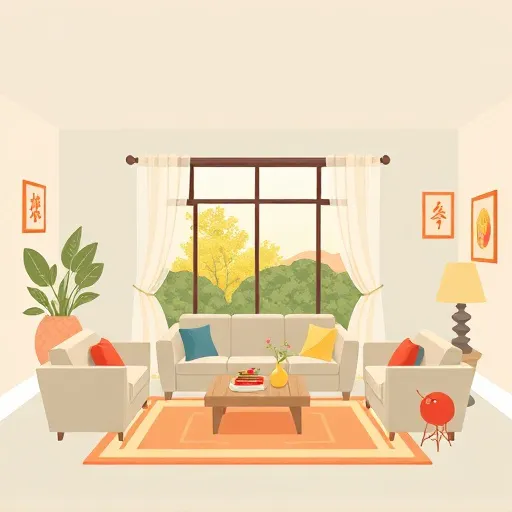
Step 1: Start with the Sofa (The Anchor). The sofa is the heart of the living room. Place it in the commanding position—against a solid wall, diagonal to the main entrance, with a clear sightline to the door. Avoid placing it with its back to a window (you want support behind you) or floating it in the middle of the room facing a wall. U-shaped or L-shaped arrangements are ideal because they create a cozy, conversation-friendly circle. This encourages connection and keeps energy circulating rather than escaping.
Step 2: Pair It with a Coffee Table. Your coffee table should sit at a comfortable distance—roughly 18 inches from the sofa—so people can reach it without strain but still move around freely. Round or oval tables are preferred in feng shui because they soften sharp edges and promote smooth energy flow. If you have a rectangular table, that's fine too; just keep the corners clear of clutter.
Step 3: Anchor with a Rug. A large area rug ties the seating group together and defines the "conversation zone." In feng shui, a rug grounds the space and represents stability. Choose a size that fits all your main furniture legs on it, or at least the front legs. Natural materials like wool or cotton are excellent choices. This is a frequently overlooked aspect of how to arrange living room furniture feng shui successfully.
Step 4: Add Side Tables and Lighting. Side tables provide balance and function. Place them symmetrically on either side of the sofa. For lighting, aim for layered warmth—table lamps, floor lamps, and dimmable overheads. In feng shui, bright, harsh lighting is considered draining; soft, warm light invites relaxation and good conversation. Getting the lighting right is crucial when mastering how to arrange living room furniture feng shui.
Step 5: Position the TV Wisely. Here's where modern life gets tricky. The television can easily dominate a room, which feng shui discourages. Place it so it doesn't become the focal point from every seat. A TV cabinet with doors (so you can close it off) is a smart solution. Avoid placing the TV directly opposite the sofa if it means the sofa faces a blank wall—instead, angle it or use a swivel mount so the room's focus stays on connection.
Step 6: Introduce Plants and Natural Elements. Living plants are feng shui superstars. They bring the wood element, purify the air, and add life. Place a tall plant in a corner to soften sharp angles, or use small plants on side tables. Avoid spiky plants in tight spaces—go for rounded, leafy varieties that feel welcoming. Plants are your best friends when it comes to how to arrange living room furniture feng shui naturally.
Step 7: Balance the Windows and Walls. Too many windows can make a room feel exposed (energy escapes), while too few can make it feel heavy. Use curtains or blinds to control the flow. On the walls, hang art at eye level and choose imagery that feels uplifting—nature scenes, abstract shapes, or personal photos that bring joy.
Common Feng Shui Mistakes to Avoid When Learning How to Arrange Living Room Furniture Feng Shui
Even well-intentioned arrangements can go wrong. Watch out for these pitfalls that can sabotage your efforts with how to arrange living room furniture feng shui:
- Clutter: The number one enemy of good feng shui. Clear surfaces, hide cables, and declutter regularly. Stagnant clutter blocks energy.
- Furniture blocking doorways: Never place a sofa or cabinet so it obstructs the path from the door. Energy should enter freely.
- Sharp corners pointing at seating: "Poison arrows" (sharp corners of tables or shelves) directed at where people sit create tension. Soften with plants or rearrange.
- Mirrors facing the front door: This is said to push energy right back out. Reposition mirrors to reflect something pleasant instead.
- Overly dark corners: Add a lamp or plant to bring life to shadowy spots.
Modern Twists for 2026 Living Rooms: Adapting How to Arrange Living Room Furniture Feng Shui for Multi-Purpose Spaces
Our living rooms do more than they used to. They're home offices, workout spaces, and entertainment hubs. Here's how to adapt how to arrange living room furniture feng shui principles to the multi-purpose reality of 2026.
Create Zones. Use rugs, shelving, or furniture arrangement to divide your living room into clear zones—a conversation area, a reading nook, a work corner. Feng shui loves clear intention; each zone should have a purpose and not bleed into the next. This zone-based thinking is a game-changer for how to arrange living room furniture feng shui in modern homes.
Incorporate Smart Home Tech Mindfully. Smart lighting, automated blinds, and sound systems are everywhere now. Use them to support feng shui: program warm lighting for evenings, automate blinds to let in morning light, and use calming soundscapes. Just keep devices and cables tidy—visible tech clutter is still clutter.
Choose Sustainable, Natural Materials. The 2026 design world leans hard into sustainability, and feng shui agrees. Natural wood, stone, linen, bamboo, and recycled materials all carry strong earth and wood energy. They also age beautifully, which aligns with feng shui's emphasis on lasting harmony. These material choices are essential when considering how to arrange living room furniture feng shui with a modern, eco-conscious twist.
Learning how to arrange living room furniture feng shui style isn't about following rigid rules or chasing perfect luck. It's about creating a space that supports how you actually live—calm, connected, and energized. The principles are timeless, but the application is yours to shape. Whether you believe in the metaphysical side or just appreciate the psychology of a well-designed room, the results speak for themselves. Your living room should feel like a deep breath—and with these feng shui arrangement tips, it will. So go ahead: move that sofa, roll out the rug, and let your living room become the sanctuary it was always meant to be.