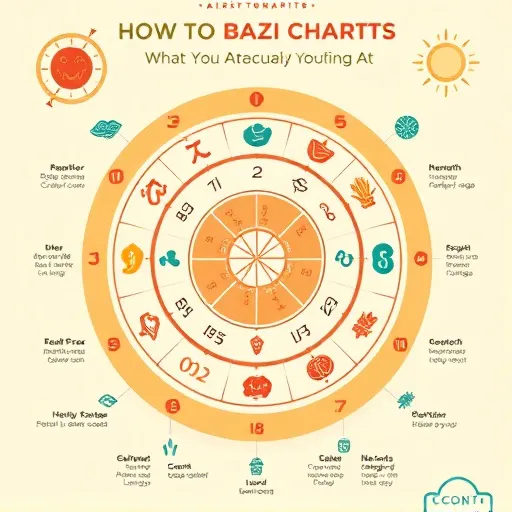
BaZi chart four pill
First, Understand What You're Actually Looking At
Before you can dig into how to interpret bazi chart for career insights, you've gotta get comfortable with the basic anatomy of a BaZi chart. Here's the deal: your chart is built from four pillars — year, month, day, and hour — and every single pillar holds a Heavenly Stem paired with an Earthly Branch. Do the math and that's eight characters total. That's literally where the name comes from — BaZi means "eight characters," and the whole system is often called the Four Pillars of Destiny.
Now, each of those eight characters carries one of the Five Elements: Wood, Fire, Earth, Metal, or Water. These elements are constantly interacting — generating each other, controlling each other, and sometimes flat-out clashing. Honestly, the entire art of chart interpretation boils down to one thing: understanding how these Five Elements relate to one another in your specific natal chart. That's the lens for how to interpret bazi chart for career questions later on.
The Day Master and Heavenly Stem: Your Career Compass and Natural Work Style
Here's the single most important concept to lock in: the Day Master is the Heavenly Stem sitting in your day pillar, and it represents you. Every other character in the Four Pillars gets read in relation to this one element. Picture it as the main character of your story, with every other Five Elements player either supporting, draining, or challenging them.
For career purposes, your Day Master reveals a ton about your natural work style and professional instincts. A Wood Day Master tends to be growth-oriented and visionary. A Fire Day Master usually thrives on visibility and passion. Earth Day Masters bring stability and reliability to the table. Metal Day Masters lean hard toward precision and structure. And Water Day Masters flow with adaptability and sharp intelligence. This is just the starting point, but it instantly gives you a feel for the professional energy you're working with — and it's step one of how to interpret bazi chart for career potential.
Identifying the Officer and Resource Elements: Authority, Recognition, Knowledge, and Support
Now we're getting to the good stuff. In BaZi, career matters are mainly governed by two elemental relationships: the Officer element and the Resource element. Getting a handle on these two is absolutely non-negotiable when you're learning how to interpret bazi chart for career outcomes.
The Officer element is the one that controls your Day Master. In classical terms, it maps to authority, discipline, structure, and career advancement — basically your relationship with bosses, rules, hierarchies, and professional reputation. A strong, well-positioned Officer element often points to someone who thrives in structured environments, management roles, or positions that require authority. But here's the nuance most beginners miss: too much control creates pressure and stress, while too little can mean zero professional direction. The ideal balance depends heavily on Day Master strength — more on that in a sec.
The Resource element, meanwhile, is the element that generates your Day Master. This is all about knowledge, education, mentorship, and intellectual support. Career-wise, it governs your ability to learn, stack up expertise, and get backing from others. A well-developed Resource element often signals success in knowledge-heavy fields — research, consulting, education, or any profession built on intellectual capital. When both the Officer and Resource elements are balanced, you often see people who rise steadily through a mix of competence and structural support. That combo is gold when you're thinking about how to interpret bazi chart for career potential.
Day Master Strength and Favorable Elements: The Critical Foundation for Career Strategy
I can't stress this enough — you cannot meaningfully assess career potential without first figuring out whether the Day Master is strong or weak. This single assessment shapes everything else in the reading, and it's the backbone of how to interpret bazi chart for career analysis.
A strong Day Master means the element representing you is well-supported by the surrounding natal chart — plenty of generating energy and companion energy around it. Someone with a strong Day Master typically benefits from elements that drain or control them, which career-wise means they can handle pressure, take on responsibility, and thrive under challenging conditions. A weak Day Master, on the other hand, needs support. This person does better when the chart supplies generating and companion elements — they often flourish in collaborative environments, benefit from mentorship, and do well with solid institutional backing.
So how does this translate into real career strategy?
- Strong Day Master: Point your energy toward roles involving output, expression, and control of resources. Entrepreneurship, leadership positions, competitive fields, and performance-driven roles usually suit this profile.
- Weak Day Master: Lean into roles that value learning, support, collaboration, and steady accumulation of expertise. Advisory positions, educational paths, research roles, and team-based environments tend to align well.
This isn't about capability — it's about optimal alignment. A weak Day Master person can absolutely be brilliant; they just shine brightest when the environment supports them instead of constantly challenging them. Keep this in mind as you learn how to interpret bazi chart for career patterns.
The Useful God and Luck Pillars: Directional Clarity and Ten-Year Luck Cycles
The Useful God (or favorable element) is whatever element brings the most balance to your chart overall. Once you've nailed down your Day Master's strength and figured out what it needs, the Useful God becomes your primary career guidepost. If your chart is overloaded with one element, the Useful God is whatever balances it out. If your chart is deficient in something important, that missing element might serve as a favorable influence — and this directly informs how to interpret bazi chart for career direction.
Here's a quick cheat sheet of industry recommendations based on favorable elements:
- Wood favorable: Education, publishing, creative industries, environmental fields, or growth-oriented startups.
- Fire favorable: Entertainment, marketing, tech innovation, leadership roles, or any field requiring visibility and charisma.
- Earth favorable: Real estate, construction, agriculture, human resources, or stability-focused enterprises.
- Metal favorable: Finance, law, engineering, precision manufacturing, or any field valuing structure and accuracy.
- Water favorable: Communications, logistics, travel, consulting, or any field requiring adaptability and flow.
And don't forget the luck pillars — also called Ten-Year Luck Cycles. Your natal chart is static, but your life isn't. A chart that looks challenging on its own can flourish during favorable luck periods, and vice versa. When assessing career timing, watch for when favorable elements activate in your luck pillars. If your chart favors Water but your luck pillars have been running through Fire periods, you might've felt professional frustration until the cycle shifted. Understanding this timing is a huge part of how to interpret bazi chart for career decisions — job changes, business launches, or professional pivots.
The Ten Gods and Month Pillar: Career Nuances and Your Professional Climate
The Ten Gods framework is how BaZi translates elemental relationships into specific life themes, and several of them matter big-time for career. The Direct Officer represents legitimate authority, steady progression, and respect for rules — people with a prominent one often do well in corporate management, government, or traditional professional paths. The Indirect Officer (sometimes called Seven Killings) represents unconventional authority — entrepreneurial leadership, decisive risk-taking, or success in competitive, high-pressure environments. On the output side, the Eating God represents steady, reliable output (think skilled professionals and craftspeople), while the Hurting Officer represents brilliant, unconventional output (creative disruptors and performers). Both point to careers rooted in personal expression.
Then there's the month pillar — often called the career palace. The Earthly Branch of your month pillar carries special significance for professional matters, since it dominates your environmental conditions. Think of it as the professional climate you were born into. Is the Officer element present there? Is the Resource element supporting it? Are the output elements active? Also check the hidden stems within each Earthly Branch — these concealed elements often reveal latent talents or opportunities that aren't obvious from a surface reading. Many breakthroughs come from activating these hidden potentials during specific luck periods. This is exactly the kind of layer that makes how to interpret bazi chart for career readings genuinely useful.
Clashes, Harms, and Common Pitfalls: Navigating Volatility and Misreading the Chart
Clashes and harms in a chart aren't inherently bad, but they show where energy gets disrupted — which career-wise often means volatility. A clash involving the month pillar, for instance, can indicate career changes or instability. But a clash can also be a catalyst for necessary change, pushing you toward a more authentic professional path. The key is understanding what's clashing and what the resolution might be.
Finally, a few mistakes trip up nearly everyone learning how to interpret bazi chart for career potential. Overweighting one element is the classic beginner move — spotting a strong Officer element and declaring someone must be a manager without checking whether it actually supports the Day Master. Ignoring context is another one; a chart is a holistic snapshot, and an element that looks impressive in isolation might be counterproductive once you factor in the broader Five Elements balance. And remember: charts describe tendencies, not destinies. The most useful readings inform decisions rather than dictate them — that's the mindset to bring to how to interpret bazi chart for career questions every single time.